Japanese Mayo: The Secret Condiment That Will Transform Your Cooking
Table of Contents
- What Makes Japanese Mayo Different ?
- The History of Japanese Mayo
- Best Japanese Mayo Brands to Try
- How to Use Japanese Mayo in Your Cooking
- Making Japanese Mayo at Home
- Health Considerations
- Storage and Shelf Life
- Why Japanese Mayo Has Gone Global
- Common Mistakes to Avoid
- The Future of Japanese Mayo
- Conclusion: Why You Need Japanese Mayo in Your Kitchen
Discover why Japanese mayo has become a global phenomenon. Learn about its unique flavor, how it differs from American mayo, and the best ways to use this creamy condiment.
Anime Actua Team
Verified ExpertJapanese Language Specialist (JLPT N2) | Manga Critic since 2018 | 10,000+ Translations Reviewed
Published: 2026-01-07
View Credentials & Review Process →Japanese Mayo: The Secret Condiment That Will Transform Your Cooking
If you've ever wondered why Japanese food tastes so incredibly good, the answer might be simpler than you think: Japanese mayo. This creamy, umami-rich condiment has taken the culinary world by storm, transforming everything from sushi rolls to street food into flavor explosions. Unlike its American counterpart, Japanese mayo offers a richer, tangier, and more complex taste that elevates even the simplest dishes.

What Makes Japanese Mayo Different ?
Japanese mayo, most famously represented by the iconic Kewpie brand, stands apart from Western mayonnaise in several crucial ways.Understanding these differences will help you appreciate why chefs worldwide have embraced this condiment as an essential ingredient.
The Egg Yolk Secret
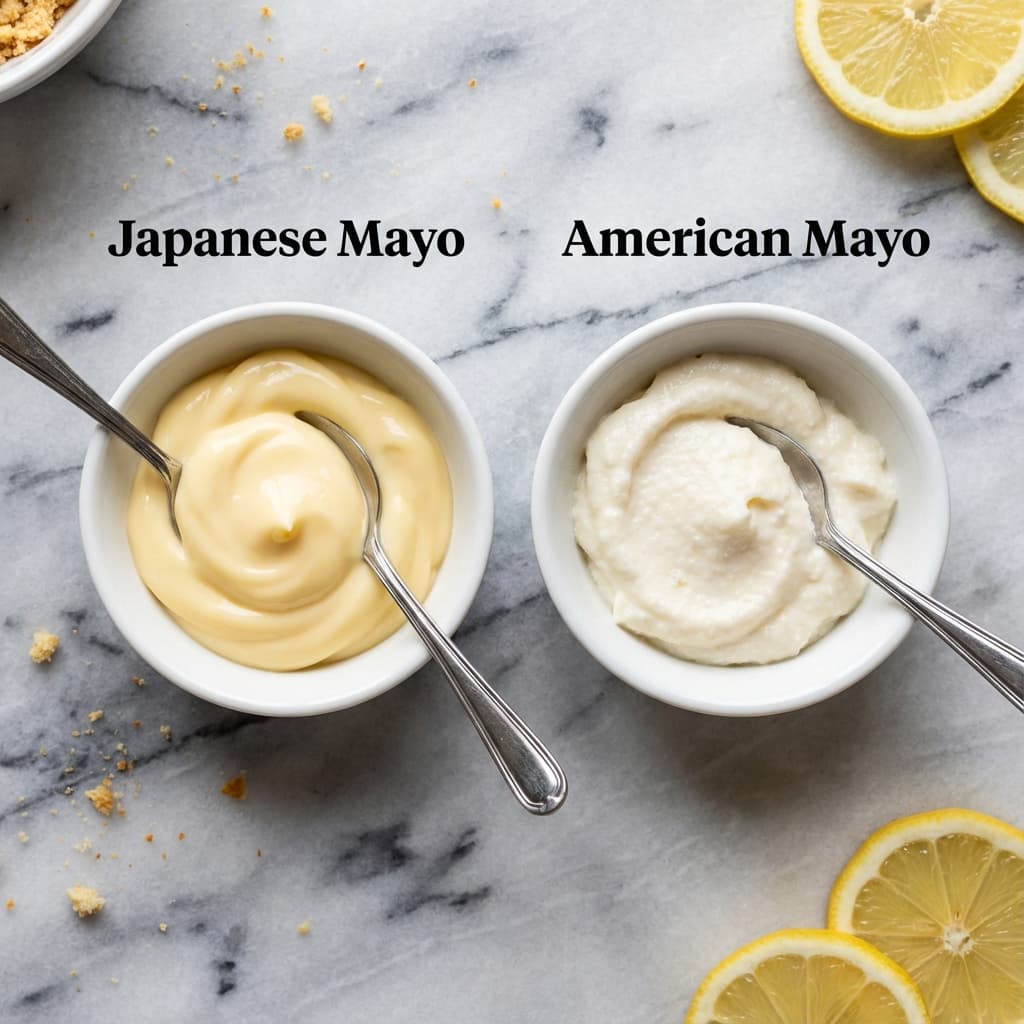
The most significant difference lies in the eggs.While American mayo uses whole eggs, Japanese mayo is made exclusively with egg yolks.This seemingly small change creates a dramatically richer, creamier texture and a deeper golden color.The extra yolks contribute to that luxurious mouthfeel that makes Japanese mayo so addictive.
Rice Vinegar vs.Distilled Vinegar
Traditional American mayonnaise relies on distilled white vinegar or lemon juice for acidity.Japanese mayo, however, uses rice vinegar or apple cider vinegar, which provides a milder, slightly sweeter tang.This gentler acidity allows the other flavors to shine through rather than overwhelming your palate.
The Umami Factor
Here's where Japanese mayo truly distinguishes itself: MSG (monosodium glutamate). Before you recoil, understand that MSG is a naturally occurring compound that enhances umami—the savory "fifth taste." In Japanese mayo, a small amount of MSG amplifies the savory notes, creating that irresistible "more-ish" quality that keeps you coming back for another bite.
Texture and Consistency
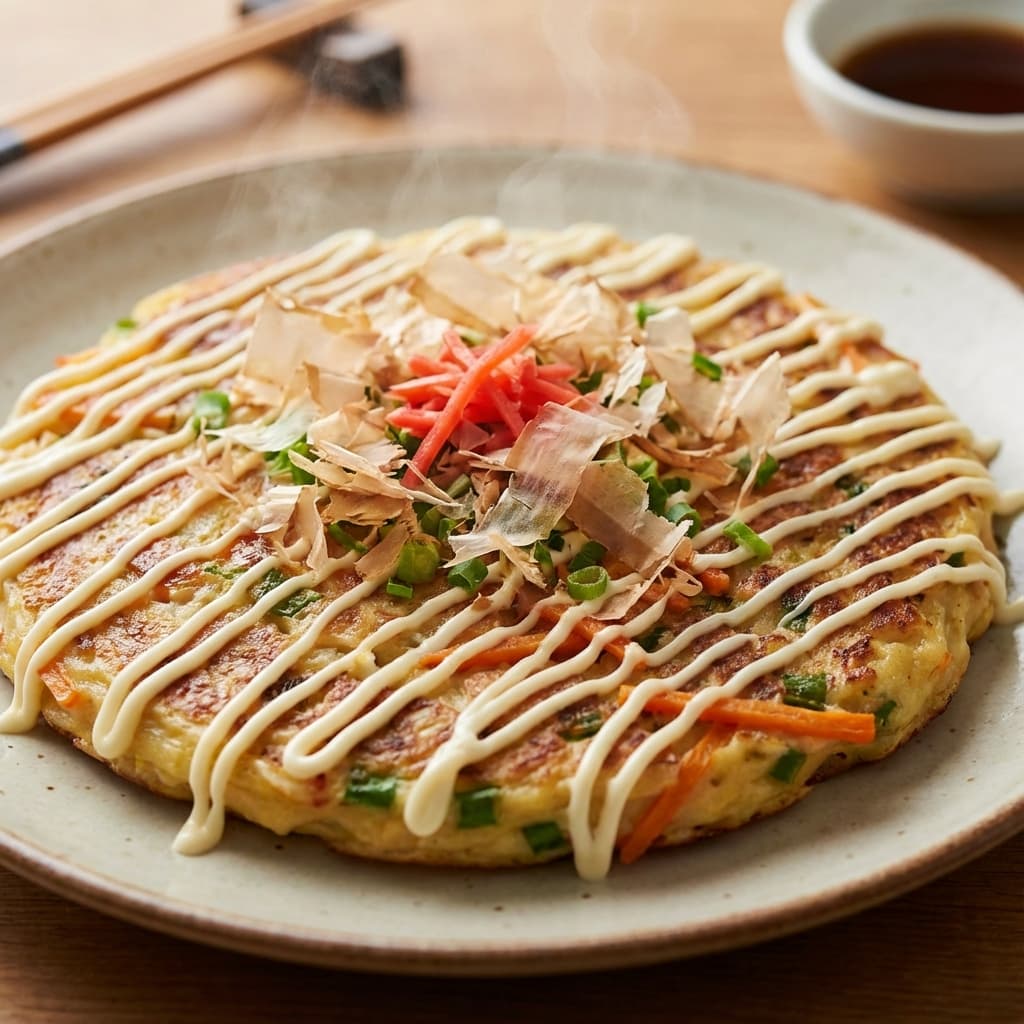
Japanese mayo has a smoother, more velvety texture compared to American mayo.It's also slightly thinner, making it perfect for drizzling in decorative patterns over dishes like okonomiyaki or takoyaki. The consistency allows it to blend seamlessly into dressings and sauces without becoming gloppy.

The History of Japanese Mayo
Japanese mayo's story begins in 1925 when Toichiro Nakashima, founder of Kewpie Corporation, introduced the condiment to Japan after tasting mayonnaise during his travels in America. However, Nakashima didn't simply copy the American recipe—he adapted it to suit Japanese tastes.
The name "Kewpie" comes from the cherubic Kewpie doll, a popular character created by American illustrator Rose O'Neill. Nakashima believed the doll's cute, baby - like appearance would appeal to Japanese consumers, and he was right.The iconic baby logo has become synonymous with quality mayonnaise in Japan and throughout Asia.
Initially marketed as a Western - style condiment for salads, Japanese mayo quickly found its way into traditional Japanese cuisine.Today, it's an indispensable ingredient in dishes ranging from sushi to ramen, demonstrating the Japanese talent for adapting foreign foods into something uniquely their own.
Best Japanese Mayo Brands to Try
While Kewpie dominates the market, several excellent Japanese mayo options are available, each with unique characteristics:
1. Kewpie Mayonnaise(Original)
The gold standard of Japanese mayo, Kewpie Original Mayonnaise offers the classic flavor that made Japanese mayo famous. The squeeze bottle design makes it easy to create those Instagram-worthy drizzle patterns. This is the mayo you'll find in virtually every Japanese household and restaurant.
Best for: Traditional Japanese dishes, sushi rolls, okonomiyaki, and anywhere you want authentic Japanese flavor.
2. Kikkoman Sriracha Mayo
For those who like a kick, Kikkoman Sriracha Mayo combines the creamy richness of Japanese mayo with the heat of sriracha. This fusion condiment has become a favorite for burgers, sandwiches, and fusion cuisine.
Best for: Spicy tuna rolls, chicken sandwiches, burger sauce, and adding heat to any dish.
3. Kewpie Deep Roasted Sesame Dressing
While technically a dressing, Kewpie's Deep Roasted Sesame version uses the same mayo base with added roasted sesame for a nutty, complex flavor. It's incredibly versatile and adds depth to salads, noodles, and grilled vegetables.
Best for: Salad dressings, cold noodle dishes, vegetable dips, and marinades.
How to Use Japanese Mayo in Your Cooking
Japanese mayo's versatility makes it a kitchen essential. Here are the best ways to incorporate it into your cooking:
Traditional Japanese Applications
Okonomiyaki and Takoyaki: These savory pancakes and octopus balls aren't complete without the classic mayo drizzle. The creamy richness balances the savory, umami-packed fillings perfectly.
Sushi Rolls: Spicy tuna rolls, California rolls, and countless other maki variations rely on Japanese mayo to bind ingredients and add moisture.Mix it with sriracha for the classic "spicy mayo" that's become a sushi staple.
Onigiri Fillings: Mix Japanese mayo with tuna, salmon, or vegetables for delicious rice ball fillings that stay moist and flavorful.
Ramen Topping: A dollop of Japanese mayo on ramen adds richness and helps emulsify the broth, creating a creamier texture.

Western Fusion Ideas
Elevated Sandwiches: Replace regular mayo in any sandwich for an instant upgrade.The richer flavor works especially well with chicken, turkey, and seafood.
Burger Sauce: Mix Japanese mayo with ketchup, pickles, and a touch of soy sauce for an umami - bomb burger sauce that rivals any restaurant.
Potato Salad: Japanese potato salad uses Japanese mayo for a creamier, more flavorful result than the American version.
Coleslaw: The tangier profile of Japanese mayo creates a more balanced coleslaw that pairs beautifully with fried foods.
Creative Applications
Grilled Corn: Brush corn with Japanese mayo before grilling, then sprinkle with furikake or parmesan cheese.
Roasted Vegetables: Toss vegetables in Japanese mayo before roasting for caramelized, crispy edges.
Deviled Eggs: Swap regular mayo for Japanese mayo in your deviled egg filling for a richer, more complex flavor.
Dipping Sauce Base: Mix with sriracha, soy sauce, or wasabi to create custom dipping sauces for everything from fries to sushi.
Making Japanese Mayo at Home
While store - bought Japanese mayo is convenient and consistent, you can make a homemade version if you can't find it locally or want to experiment:
Ingredients:
- 2 egg yolks(room temperature)
    - 1 tablespoon rice vinegar
        - 1 teaspoon Dijon mustard
            - 1 / 4 teaspoon salt
                - 1 / 4 teaspoon MSG(optional but recommended)
                    - 3 / 4 cup neutral oil(canola or vegetable)
Instructions:
1. Combine egg yolks, vinegar, mustard, salt, and MSG in a bowl
2. Whisk while very slowly drizzling in oil—start with drops, then a thin stream
3. Continue whisking until thick and creamy
4. Adjust seasoning to taste
5. Store in an airtight container in the refrigerator for up to one week
Pro Tip: Use an immersion blender for foolproof results.Place all ingredients except oil in a tall container, insert the blender, then slowly drizzle oil while blending.
Health Considerations
Japanese mayo is delicious but calorie - dense, like all mayonnaise.A tablespoon contains approximately 100 calories and 11 grams of fat.However, it also offers some nutritional benefits:
Egg Yolks: Rich in vitamins A, D, E, and K, plus choline for brain health Healthy Fats: Primarily monounsaturated fats when made with quality oil Umami: The savory flavor means you might use less overall, potentially reducing total calorie intake
For a lighter option, Kewpie makes a reduced - fat version that maintains much of the original's flavor while cutting calories by about 50%.
Storage and Shelf Life
Proper storage ensures your Japanese mayo stays fresh and safe:
- Unopened: Store in a cool, dark place for up to one year
    - Opened: Refrigerate and use within 2 - 3 months
        - Homemade: Refrigerate immediately and use within one week
Always check for signs of spoilage: off smell, separation that doesn't re-emulsify when stirred, or mold. When in doubt, throw it out.
Why Japanese Mayo Has Gone Global
The rise of Japanese mayo in Western markets reflects broader trends in food culture:
Social Media Influence: Instagram and TikTok have showcased Japanese mayo's visual appeal—those perfect drizzle patterns are made for viral content.
Umami Awareness: As Western palates have become more sophisticated, the appeal of umami - rich ingredients has grown.
Fusion Cuisine: Chefs worldwide have embraced Japanese ingredients, introducing Japanese mayo to new audiences through creative fusion dishes.
Quality Perception: Japanese products often carry a reputation for superior quality and attention to detail, which extends to condiments.
Common Mistakes to Avoid
Even experienced cooks can misuse Japanese mayo.Here's what to avoid:
Substituting 1: 1 in All Recipes: While Japanese mayo works in most applications, its thinner consistency and different flavor profile mean some recipes(like traditional American potato salad) might need adjustments.
Overheating: Japanese mayo can break when exposed to high heat.Add it after cooking or use it in no - cook applications.
Storing Improperly: Always refrigerate after opening.The egg yolk base makes it more perishable than some condiments.
Using Too Much: The rich flavor means a little goes a long way.Start with less than you'd use of regular mayo and adjust.
The Future of Japanese Mayo
As Japanese cuisine continues to influence global food trends, Japanese mayo's popularity shows no signs of slowing. New flavors and variations appear regularly, from truffle-infused versions to vegan alternatives made with aquafaba (chickpea water) instead of eggs.
The condiment has also inspired homegrown versions in various countries, with local brands attempting to capture that signature Japanese mayo magic.However, purists argue that nothing quite matches the original Kewpie formula perfected over nearly a century.
Conclusion: Why You Need Japanese Mayo in Your Kitchen
Japanese mayo represents more than just a condiment—it's a gateway to understanding Japanese culinary philosophy. The attention to ingredient quality, the balance of flavors, and the pursuit of the perfect texture all reflect values that make Japanese cuisine so revered worldwide.
Whether you're making traditional Japanese dishes, elevating everyday sandwiches, or experimenting with fusion cuisine, Japanese mayo deserves a permanent spot in your refrigerator. Its rich, umami-packed flavor and silky texture can transform simple ingredients into something special.
Start with a bottle of classic Kewpie, experiment with different applications, and discover why millions of people worldwide have made Japanese mayo their condiment of choice.Once you experience that perfect balance of creamy, tangy, and savory, you'll understand why there's no going back to regular mayo.
Ready to experience the Japanese mayo difference ? Grab a bottle and start your culinary adventure today!
Featured Products
Click to purchase on Amazon
Kewpie Original Mayonnaise
The gold standard of Japanese mayo. Perfect for traditional dishes, sushi rolls, and okonomiyaki.
As an Amazon Associate, we earn from qualifying purchases.
Kikkoman Sriracha Mayo
Creamy Japanese mayo with sriracha heat. Perfect for spicy tuna rolls and burgers.
As an Amazon Associate, we earn from qualifying purchases.
Kewpie Deep Roasted Sesame Dressing
Mayo-based dressing with roasted sesame. Ideal for salads, noodles, and vegetable dips.
As an Amazon Associate, we earn from qualifying purchases.
Expert writer on Japanese culture and anime trends.