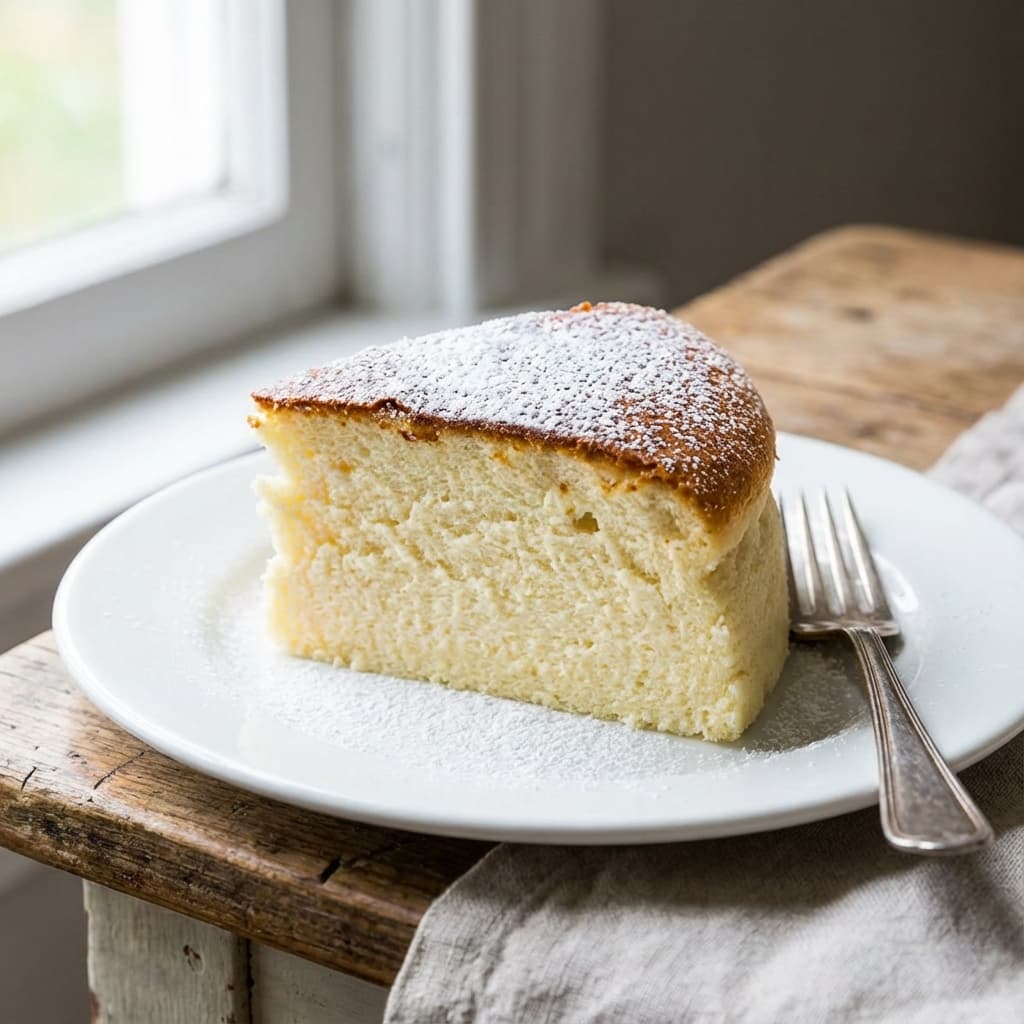
Japanese Cheesecake Food: The Ultimate Guide to Japan's Fluffiest Dessert
Table of Contents
- What Makes Japanese Cheesecake Food So Special ?
- The History of Japanese Cheesecake Food
- How to Make Authentic Japanese Cheesecake Food at Home
- Common Mistakes When Making Japanese Cheesecake Food
- Serving and Storing Japanese Cheesecake Food
- Popular Variations of Japanese Cheesecake Food
- Where to Find the Best Japanese Cheesecake Food
- The Cultural Significance of Japanese Cheesecake Food
- Conclusion: Why Japanese Cheesecake Food Deserves Your Attention
Discover everything about Japanese cheesecake food - from its cloud-like texture to authentic recipes. Learn why this jiggly dessert has taken the world by storm.
Anime Actua Team
Verified ExpertJapanese Language Specialist (JLPT N2) | Manga Critic since 2018 | 10,000+ Translations Reviewed
Published: 2026-01-07
View Credentials & Review Process →Japanese Cheesecake Food: The Ultimate Guide to Japan's Fluffiest Dessert
If you've ever wondered what eating a cloud tastes like, Japanese cheesecake food is your answer. This ethereal dessert has captivated food lovers worldwide with its impossibly light texture, delicate sweetness, and mesmerizing jiggle. Unlike its dense American cousin, Japanese cheesecake (also known as soufflé cheesecake or cotton cheesecake) offers a completely unique experience that bridges the gap between traditional cheesecake and angel food cake.

What Makes Japanese Cheesecake Food So Special ?
Japanese cheesecake food stands apart from Western cheesecakes in several remarkable ways.The texture is the first thing that strikes you—it's incredibly light, airy, and almost bouncy. When you press a fork into it, the cake springs back gently, showcasing its signature cotton-soft crumb. This unique texture comes from a meticulous preparation method that involves whipping egg whites into stiff peaks and folding them carefully into the batter.
The flavor profile is another distinguishing feature.While American cheesecakes are rich, dense, and intensely sweet, Japanese cheesecake food offers a subtle, delicate sweetness that allows the cream cheese flavor to shine without overwhelming your palate.It's the kind of dessert you can enjoy after a heavy meal without feeling overly full—a testament to Japanese culinary philosophy of balance and restraint.
The Science Behind the Fluff
The magic of Japanese cheesecake food lies in its scientific precision.The cake achieves its signature texture through a combination of techniques:
Meringue Integration: The foundation of Japanese cheesecake's fluffiness is properly whipped egg whites. When beaten to stiff peaks, egg whites trap air bubbles that expand during baking, creating that characteristic rise and lightness.
Water Bath Baking: Japanese cheesecake food is always baked in a water bath(* bain - marie *).This gentle, moist heat prevents the cake from cracking and ensures even cooking throughout.The steam created in the oven keeps the cake moist and helps it rise evenly.
Lower Flour Content: Unlike traditional cakes, Japanese cheesecake uses minimal flour—sometimes as little as 2 - 3 tablespoons for an entire cake.This reduced gluten content contributes to the tender, melt -in -your - mouth texture.
Temperature Control: The baking process requires precise temperature management.Most recipes call for starting at a higher temperature to set the structure, then reducing the heat to finish cooking gently.
The History of Japanese Cheesecake Food
Japanese cheesecake food has an interesting origin story that reflects Japan's ability to adapt Western culinary traditions into something uniquely their own. The dessert was created in the 1960s by Tomotaro Kuzuno, owner of a bakery called Morozoff in Kobe. After tasting German käsekuchen (a lighter style of cheesecake), Kuzuno was inspired to create an even airier version that would appeal to Japanese palates, which traditionally prefer less sweet, more delicate desserts.
The result was revolutionary.By incorporating techniques from Japanese castella cake(a Portuguese - influenced sponge cake) and French soufflé - making, Kuzuno created a dessert that felt familiar yet entirely new.The cake became an instant sensation in Japan and eventually spread throughout Asia before capturing global attention in the 2010s through social media.

How to Make Authentic Japanese Cheesecake Food at Home
Creating Japanese cheesecake food at home might seem intimidating, but with the right technique and patience, you can achieve bakery - quality results.Here's what you need to know:
Essential Ingredients
The ingredient list for Japanese cheesecake food is surprisingly simple:
- Cream cheese(250g): Use full - fat, block - style cream cheese for the best flavor and texture
    - Eggs(6 large): Separated into yolks and whites
        - Sugar(120g): Divided between the yolk mixture and meringue
            - Milk(100ml): Whole milk works best
                - Butter(60g): Unsalted, melted
                    - Cake flour(60g): Sifted to remove lumps
                        - Cornstarch(20g): Helps stabilize the structure
                            - Lemon juice(1 tablespoon): Adds brightness and helps stabilize the meringue
                                - Vanilla extract(1 teaspoon): For depth of flavor
Step - by - Step Preparation
Step 1: Prepare Your Pan Line an 8 - inch round cake pan with parchment paper, ensuring it extends above the rim.This helps the cake climb as it rises and makes removal easier.
Step 2: Create the Base Mixture
Melt cream cheese, butter, and milk together over a double boiler until smooth.Remove from heat and whisk in egg yolks one at a time.Add vanilla extract and lemon juice.Sift in flour and cornstarch, mixing until just combined.
Step 3: Make the Meringue
This is the most critical step for Japanese cheesecake food success.Beat egg whites with an electric mixer until foamy, then gradually add sugar while continuing to beat.Whip until stiff peaks form—the meringue should stand upright when you lift the beaters.
Step 4: Fold and Combine
Gently fold one - third of the meringue into the cream cheese mixture to lighten it.Then carefully fold in the remaining meringue in two additions, using a rubber spatula and a cutting - and - folding motion.The goal is to maintain as much air as possible.
Step 5: Bake in a Water Bath
Pour the batter into your prepared pan and place it in a larger roasting pan.Fill the outer pan with hot water until it reaches halfway up the sides of the cake pan.Bake at 320°F(160°C) for 60 - 70 minutes, then reduce to 285°F(140°C) for another 20 - 30 minutes.
Step 6: Cool Properly
Once baked, turn off the oven and crack the door open.Let the cake cool gradually in the oven for about an hour.This prevents sudden temperature changes that could cause collapse.
Common Mistakes When Making Japanese Cheesecake Food
Even experienced bakers can struggle with Japanese cheesecake food.Here are the most common pitfalls and how to avoid them:
Over - mixing the Batter: Once you add the meringue, handle the batter gently.Over - mixing deflates the air bubbles that create the fluffy texture.
Skipping the Water Bath: Some recipes claim you can skip this step, but for authentic Japanese cheesecake food, the water bath is non - negotiable.It provides the moist heat necessary for even rising.
Opening the Oven Door: Resist the temptation to check on your cake frequently.Each time you open the door, you release heat and steam, which can cause the cake to collapse.
Under - beating the Meringue: Your egg whites should form stiff, glossy peaks that hold their shape.Under - beaten meringue won't provide enough structure.
Using Cold Ingredients: All ingredients should be at room temperature for proper emulsification and even mixing.

Serving and Storing Japanese Cheesecake Food
Japanese cheesecake food is best enjoyed at room temperature or slightly chilled.The texture is most pronounced when the cake has had time to set properly—ideally, refrigerate it for at least 4 hours or overnight before serving.
Serving Suggestions
While Japanese cheesecake food is delicious on its own, you can elevate it with simple accompaniments:
- Fresh berries: Strawberries, blueberries, or raspberries add color and tartness
    - Powdered sugar: A light dusting creates an elegant presentation
        - Whipped cream: Keep it lightly sweetened to complement the cake's delicate flavor
            - Matcha powder: For a Japanese twist, dust with green tea powder
                - Fruit compote: A light berry or citrus compote adds moisture and flavor contrast
Storage Tips
Japanese cheesecake food stays fresh for 3 - 4 days when properly stored:
1. Cover tightly with plastic wrap or store in an airtight container
2. Refrigerate at all times when not serving
3. Bring to room temperature 30 minutes before serving for best texture
4. Can be frozen for up to 1 month(thaw overnight in the refrigerator)
Popular Variations of Japanese Cheesecake Food
While the classic version is beloved, creative bakers have developed numerous variations:
Matcha Japanese Cheesecake: Add 2 tablespoons of high - quality matcha powder to the batter for an earthy, sophisticated flavor.
Chocolate Japanese Cheesecake: Fold in melted dark chocolate for a richer version that still maintains the signature fluffiness.
Hokkaido Cheese Tart Style: Some bakeries create individual portions in tart shells, combining the fluffy texture with a buttery crust.
Basque Burnt Cheesecake Hybrid: A modern fusion that intentionally caramelizes the top while keeping the interior light and jiggly.
Where to Find the Best Japanese Cheesecake Food
If you're not ready to make your own, several establishments have become famous for their Japanese cheesecake food:
Uncle Tetsu: This Canadian - Japanese chain has locations worldwide and is credited with popularizing Japanese cheesecake globally.Their cakes are baked fresh throughout the day.
Rikuro Ojisan: An Osaka institution that's been perfecting their recipe since 1984. Their cakes are stamped with a distinctive uncle face logo.
Pablo: Known for their "rare"(extra - jiggly) and "medium"(more set) versions, giving customers control over texture preference.
The Cultural Significance of Japanese Cheesecake Food
Japanese cheesecake food represents more than just a dessert—it embodies the Japanese approach to adapting foreign influences while maintaining cultural identity.The cake's restrained sweetness, emphasis on texture, and meticulous preparation reflect core values in Japanese cuisine: wa (harmony), kansha (gratitude for ingredients), and omotenashi (wholehearted hospitality).
The dessert's global popularity also demonstrates how Japanese food culture continues to influence international culinary trends. From ramen to sushi to now Japanese cheesecake food, these exports showcase Japan's ability to elevate simple concepts into art forms.
Conclusion: Why Japanese Cheesecake Food Deserves Your Attention
Japanese cheesecake food offers a unique dessert experience that challenges our expectations of what cheesecake can be.Its cloud - like texture, delicate flavor, and impressive presentation make it perfect for special occasions or as a lighter alternative to traditional heavy desserts.
Whether you're a seasoned baker looking for a new challenge or a dessert enthusiast wanting to expand your palate, Japanese cheesecake food is worth exploring. The process of making it teaches patience and precision, while eating it provides pure joy—that first bite of impossibly light, subtly sweet cake is truly unforgettable.
So grab your mixing bowls, separate those eggs, and prepare to create some magic.Your journey into the wonderful world of Japanese cheesecake food starts now.
Expert writer on Japanese culture and anime trends.
