The Ultimate Guide to
Moving & Studying in Japan
So, you want to live in Japan? You're not alone. This comprehensive guide covers everything from choosing the right visa to finding your first apartment in Tokyo, backed by real data and expert advice.
Table of Contents
01. Why Japan?
Japan offers a unique blend of safety, convenience, and deep cultural history. Whether you are drawn by anime, the food, or the career opportunities, living here is a transformative experience.
Pros of Living in Japan
- Incredibly safe streets, even at night.
- World-class public transportation (Trains are rarely late).
- Convenience stores (Konbini) that actually have good food.
- Rich cultural festivals and history.
- National Health Insurance covers 70% of medical costs.
02. Understanding Visas
You cannot just show up and live in Japan. You need a proper status of residence. Here is a breakdown of the most common pathways.
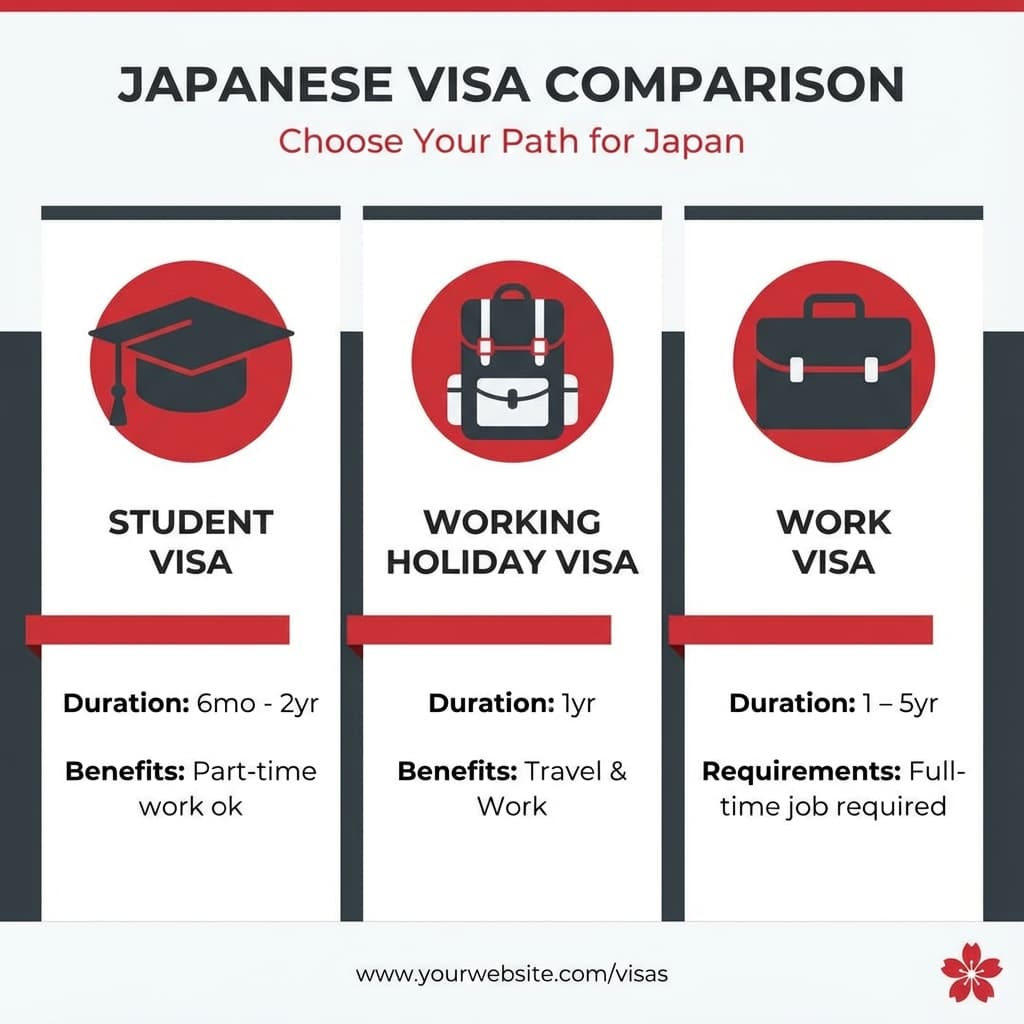
Student Visa
Best for learning the language.
- • Allows you to study long-term (6 months - 2 years).
- • Can work part-time (28 hours/week).
- • Requires application through a school.
- • Success Rate: High, if you have funds (~¥2M).
Working Holiday Visa
For young adventurers.
- • Available to citizens of partner countries (UK, Aus, Canada, etc. - NOT USA).
- • Usually for 1 year.
- • Allows full-time work and travel.
- • Age Limit: Usually 18-30.
03. Language Schools vs. University
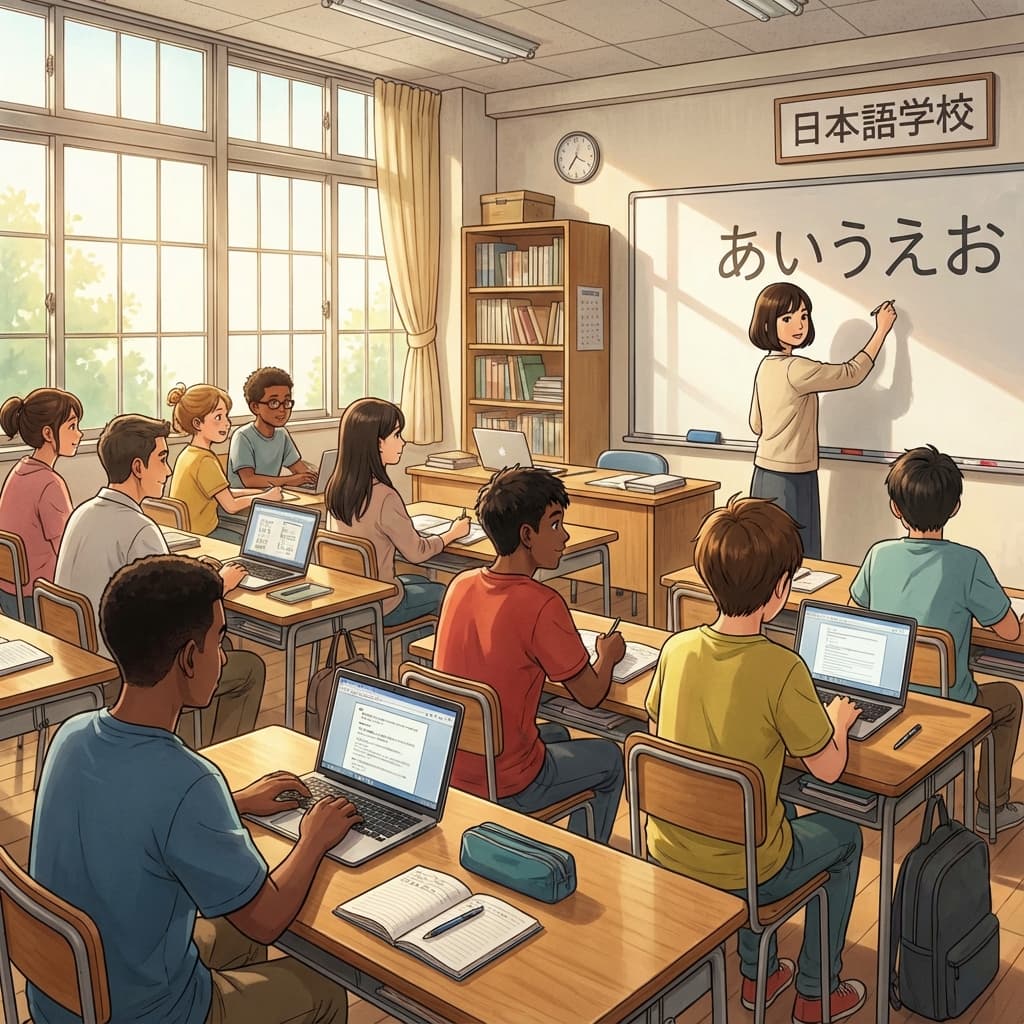
Most people start with a Japanese Language School. These are private institutions dedicated to teaching Japanese to foreigners.
How to Choose a School
- Intensity: Do you want to pass JLPT N1 in a year (Spartan style) or enjoy life (Conversation focused)?
- Location: Tokyo is exciting but expensive. Fukuoka or Osaka might be cheaper and friendlier.
- Student Mix: Some schools have many students from specific countries. A diverse mix forces you to speak Japanese.
04. Finding Housing
Renting an apartment in Japan as a foreigner can be tricky due to guarantors and initial costs.

Option A: Share House
The easiest option for newcomers.
You get a private room but share kitchen/toilet. Low move-in costs, instant community, and usually foreigner-friendly.
Recommended for first 6 months.
Option B: Private Apartment
More privacy, more cost.
Expect to pay "Key Money" (gift money to landlord), Deposit, and Agency Fee. This can total 3-5 months of rent upfront!
05. Cost of Living
Japan is not as expensive as people think, especially compared to London or NYC.
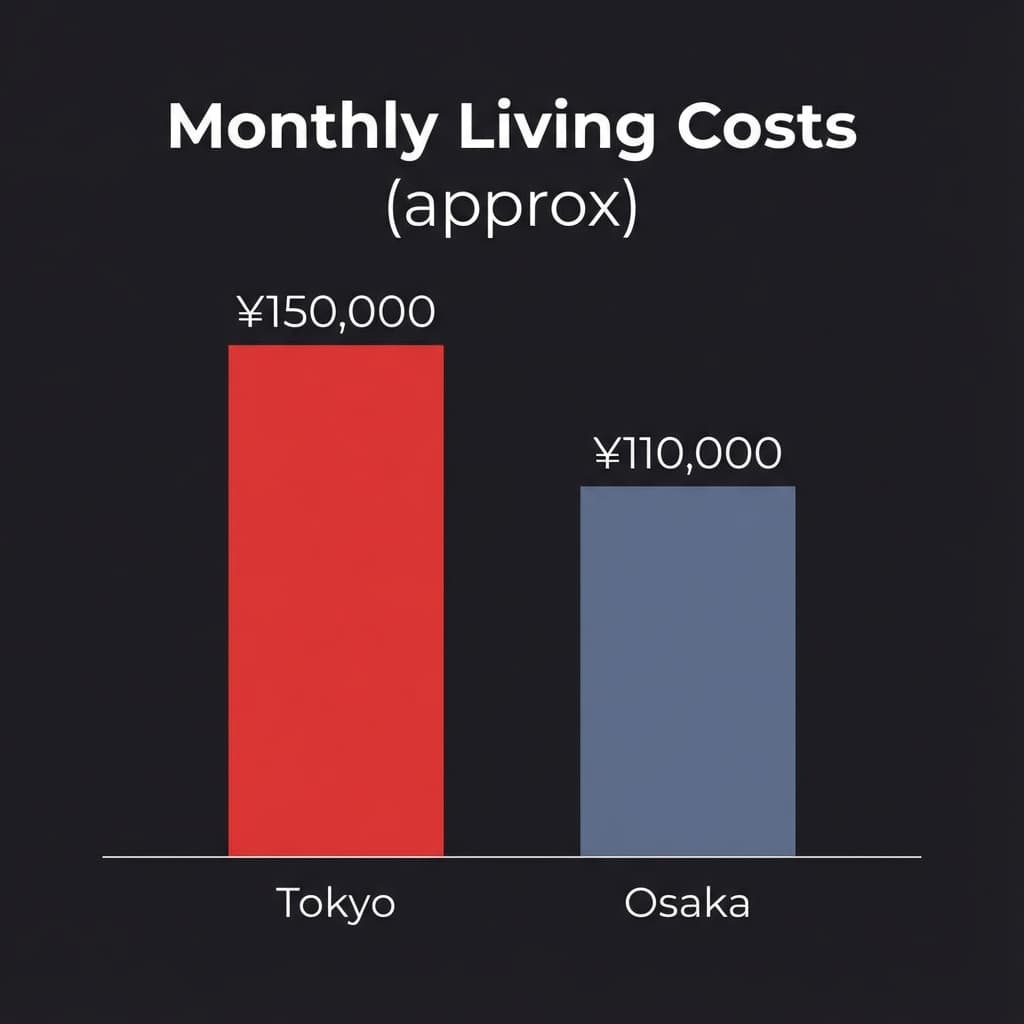
| Item | Estimated Cost (Monthly) |
|---|---|
| Rent (Share House / Tokyo) | ¥60,000 - ¥80,000 |
| Food (Cooking + some eating out) | ¥30,000 - ¥50,000 |
| Transport (Commuter Pass) | ¥5,000 - ¥10,000 |
| Phone / Internet | ¥3,000 - ¥5,000 |
| Total | ~¥120,000 - ¥150,000 ($800 - $1000 USD) |
06. Working in Japan
On a student visa, you can work up to 28 hours per week. This is called *Arubaito* (Baito).
Common Jobs
- Konbini StaffRequires basic Japanese. Good for practicing speaking.
- English TeachingHigh pay, but doesn't help your Japanese skills much.
- Restaurant KitchenLow language requirement. Hard work.
07. The Moving Checklist
- 6 Months Before: Apply to school & get CoE (Certificate of Eligibility).
- 3 Months Before: Apply for Visa at your local embassy.
- 1 Month Before: Book flights & temporary accommodation.
- 2 Weeks Before: Buy Yen (Cash is King!).
- Arrival Day: Get Residence Card at airport.
- Week 1: Register address at City Hall & get Health Insurance.
- Week 2: Open a Bank Account & get a SIM card.
08. Frequently Asked Questions
Can I bring my pet?
Yes, but it is a long process (6+ months) involving microchips, rabies shots, and blood tests. Start early!
Do I need to speak Japanese before I go?
Not strictly required for language schools, but knowing Hiragana and Katakana is highly recommended to survive the first week.
Can I drive in Japan?
You can use an International Driving Permit (IDP) for one year. After that, you must convert to a Japanese license.
Official Sources
Ready to start your journey?
Don't just dream about it. Start planning today.