ArchitectureLast Updated: 2025-11-10
Japanese Architecture: Tradition meets Modernity
By Hiroshi Yamamoto
Advertisement
Table of Contents
Advertisement
From wooden temples to steel skyscrapers, explore Japanese architecture.
H
Hiroshi Yamamoto
Verified ExpertJapanese Language Specialist (JLPT N2) | Manga Critic since 2018 | 10,000+ Translations Reviewed
Published: 2025-11-10
View Credentials & Review Process →Japanese architecture is defined by a deep connection to nature and resilience to natural disasters.
Traditional Features
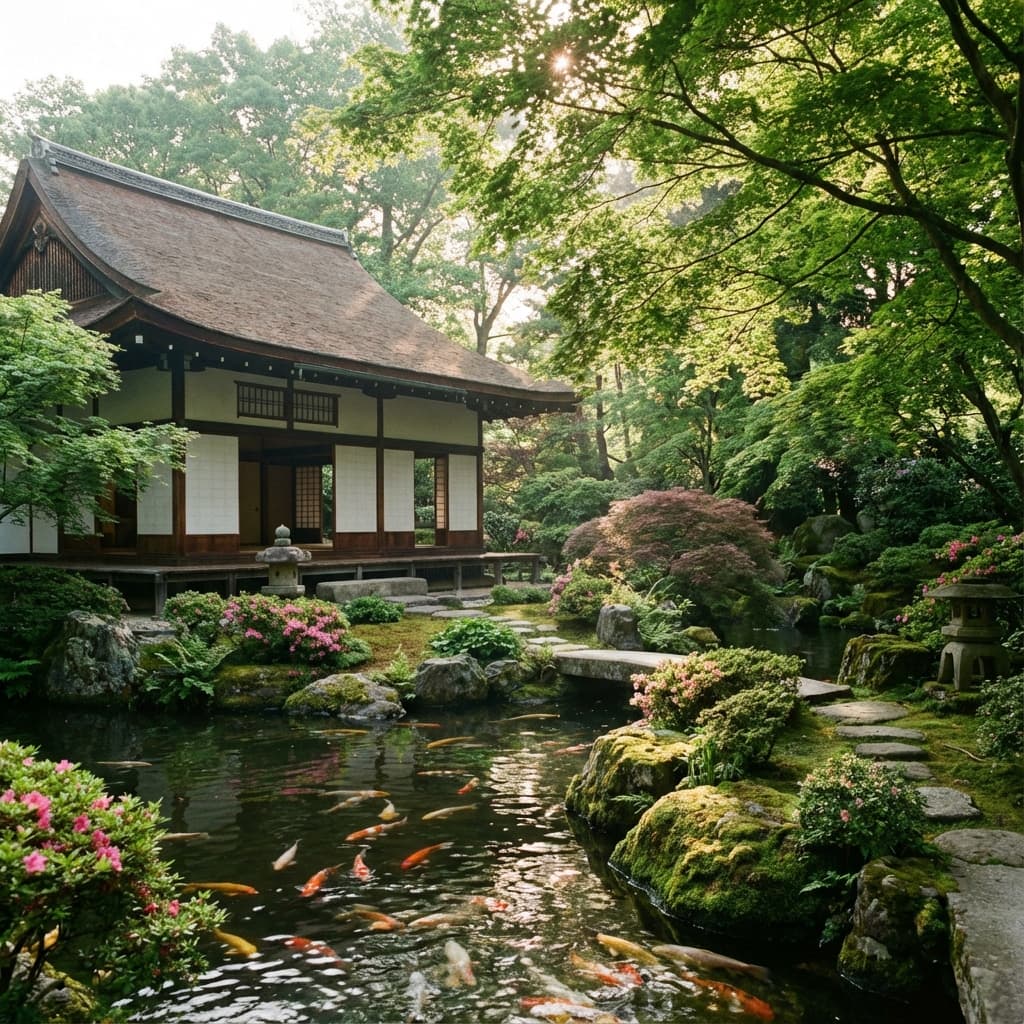
- Wood: The primary material, chosen for its flexibility during earthquakes.
- Shoji & Fusuma: Sliding paper screens and doors that allow flexible use of space.
- Tatami: Straw mats used for flooring. Room sizes are measured in the number of mats (Jo).
- Engawa: A wooden veranda that connects the inside of the house with the garden.
👉 Example: Shofuso Japanese House and Garden
👉 Example: Shofuso Japanese House and Garden
Modern Architecture
Today, Japanese architects like Tadao Ando and Kengo Kuma are world-renowned for blending these traditional sensibilities—minimalism, light, and materials—with modern concrete and steel designs.
H
About the Author
Hiroshi Yamamoto
Expert writer on Japanese culture and anime trends.